

Other Services
Female Hair Loss
For women, hair represents more than just appearance. It’s tied to femininity, youth, and personal identity. When that begins to change, the emotional impact can be profound, affecting everything from career confidence to social interactions.
Other Services
Facial Hair Loss
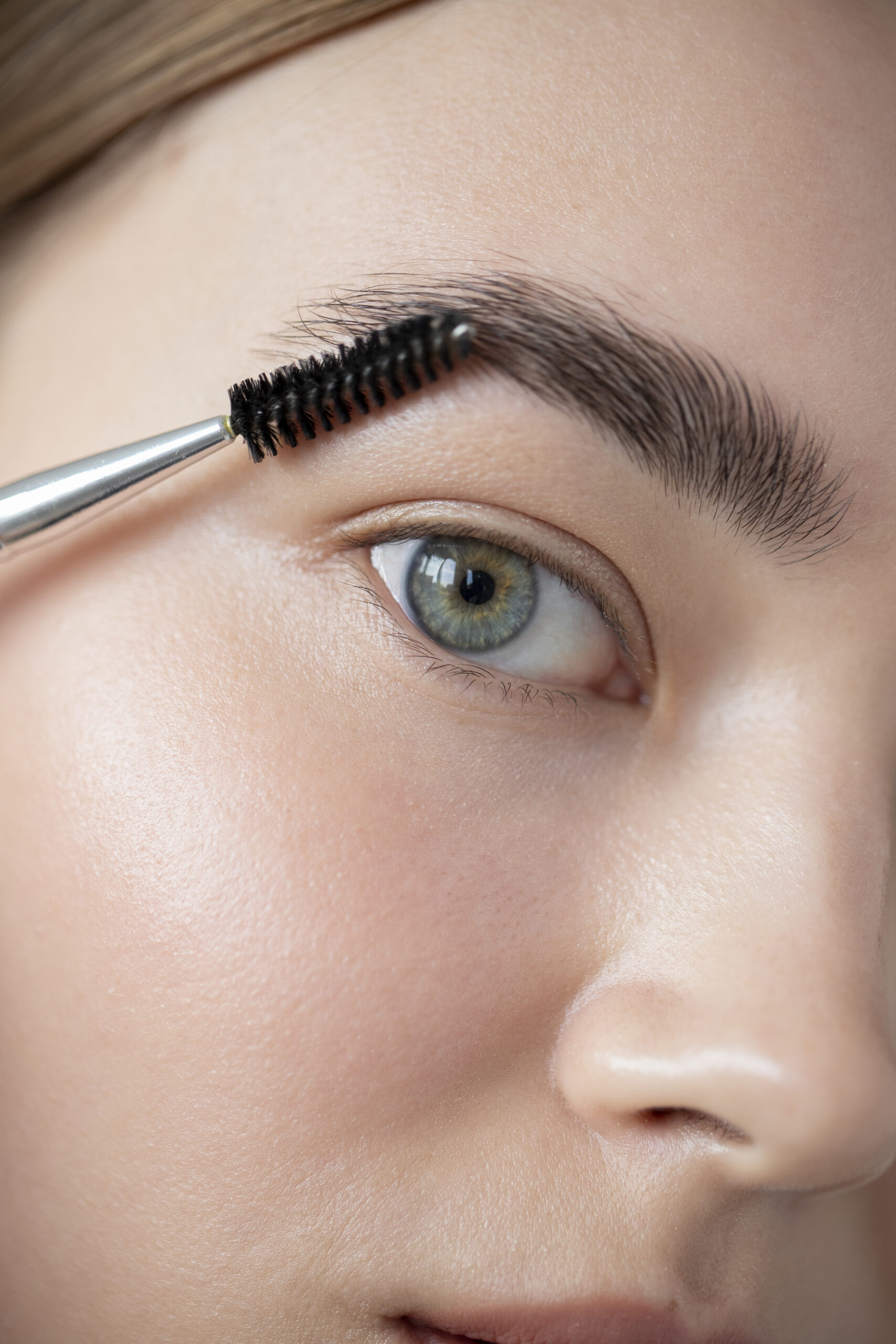
For women, hair represents more than just appearance. It’s tied to femininity, youth, and personal identity. When that begins to change, the emotional impact can be profound, affecting everything from career confidence to social interactions.

Special Hair Care for
Female Hair Loss
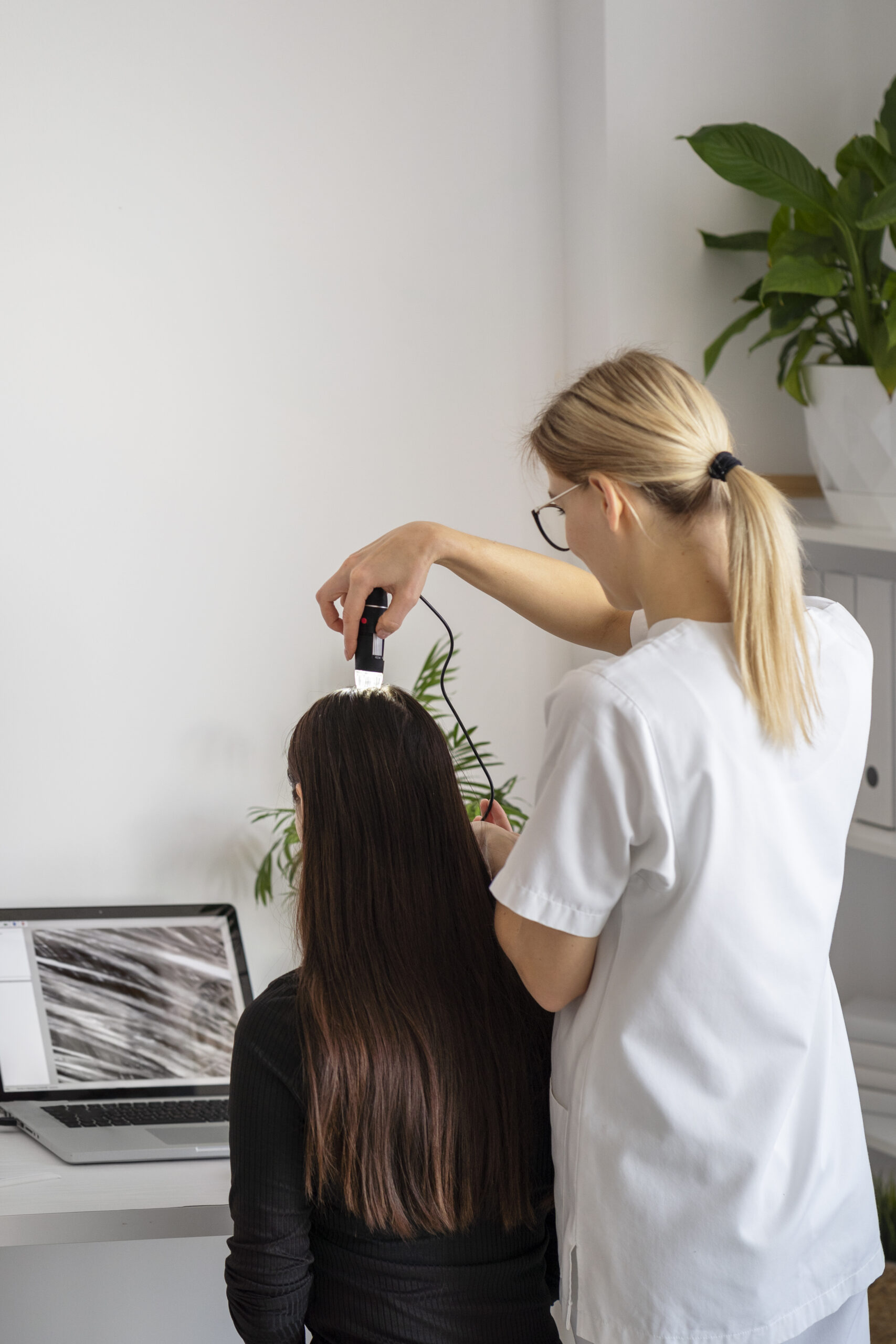
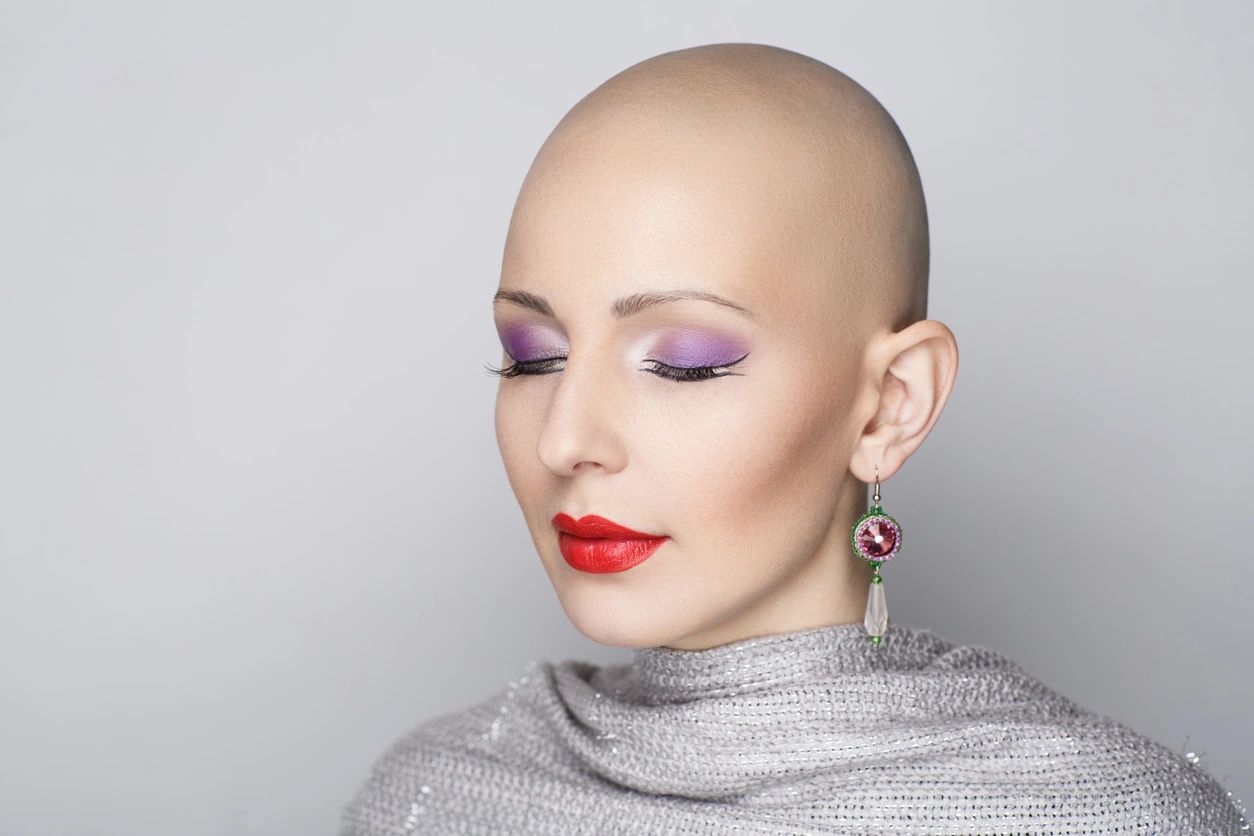
Female hair loss affects more than 50% of women, typically manifesting as diffuse thinning rather than the distinct receding patterns men experience. Hormonal fluctuations, particularly declining estrogen and progesterone levels during perimenopause and menopause, significantly contribute to this gradual density loss.
Women’s hair loss requires specialized treatment approaches. While male pattern baldness follows predictable paths, female pattern hair loss spreads across the crown and top of the scalp, demanding different surgical strategies and graft distribution techniques.
Female Hair Transplant
Understanding Female Hair Transplant Candidacy
Not every woman experiencing hair loss qualifies for surgical restoration. Ideal candidates possess:
Current Treatment Trends
Women now represent 10-15% of surgical hair restoration cases and 35-40% of non-surgical treatment patients. This growing participation reflects both increased awareness and improved techniques specifically designed for female hair loss patterns.
Dr. Jabeen’s approach recognizes that successful female hair restoration requires understanding the distinct biological and aesthetic factors that differentiate women’s hair loss from men’s.
